

Agentic AI Engineering
 Claude Code
 Cursor
 OpenAI Codex
 Google Antigravity
 GitHub Copilot
 Model Context Protocol (MCP)
About Enterprise Software Development Company
The client, a software provider building a multi-tenant SaaS analytics platform, needed to deliver data pipelines, a customer-facing analytics application, and automated customer onboarding with a small engineering team. Although traditional development could deliver the platform, hand-written code, manual testing, and large frontend teams would have stretched delivery across many months and slowed every release.
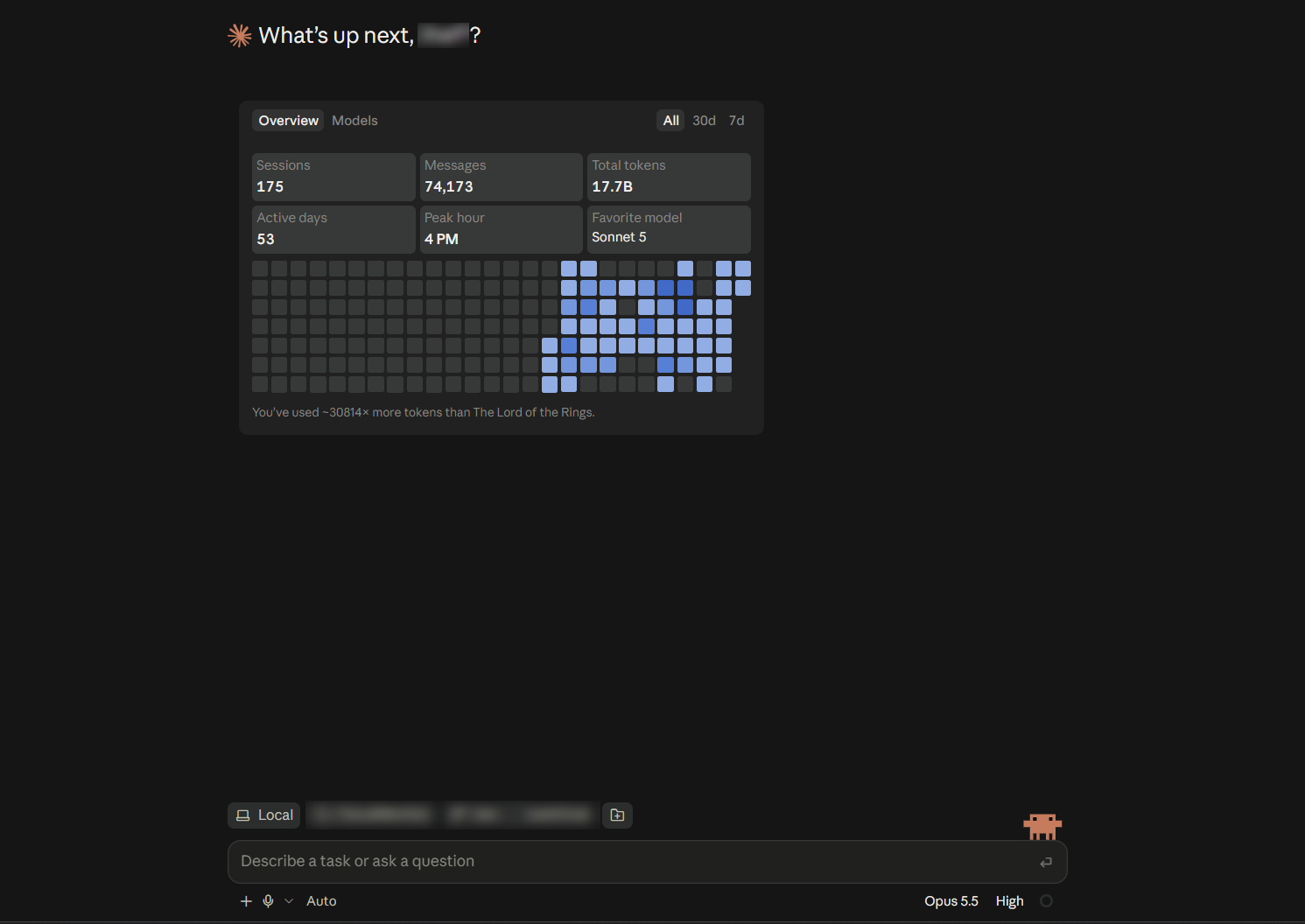
MagnusMinds delivered the platform through a spec-driven, agentic engineering practice. With Claude Code, Cursor, OpenAI Codex, Google Antigravity, and GitHub Copilot, engineers define the requirements while AI agents handle implementation, testing, and documentation under human review. The client now gets about 4x more output per engineer with a 30% smaller team, and frontend delivery has moved from months to weeks.
Our Approach
Challenge & Solution
The Challenge
The rapid evolution of AI coding tools, agents, and models from Anthropic, OpenAI, Google, and GitHub made it difficult to evaluate and adopt the right technologies. Early experiments often produced inconsistent code due to unclear requirements and insufficient project context. Integrating AI into existing development workflows was another challenge, as general-purpose assistants lacked direct access to essential engineering tools such as GitHub, browsers, documentation, and cloud platforms.
At the same time, AI-generated code had to meet the same standards for code quality, testing, security, and review as traditionally written code. Manual frontend testing slowed down release cycles, while clients needed a reliable, controlled, and accountable approach to adopting AI-assisted development without compromising software quality or security.
Our Solution
MagnusMinds implemented a spec-driven, agentic engineering workflow using Claude Code, Cursor, OpenAI Codex, Google Antigravity, and GitHub Copilot. Each feature starts with an outcome-focused specification defining requirements and success criteria. AI agents use these specifications, shared repository rules, and reusable skills to generate implementation plans, code, tests, and documentation. Through Model Context Protocol (MCP) servers, they integrate with GitHub, Microsoft documentation, and Microsoft 365, while Playwright MCP automates frontend testing in a real browser.
To ensure quality and consistency, every change is submitted through a pull request with a test plan, undergoes AI-powered code review, and requires approval from a MagnusMinds engineer before merging. Supported by Claude-certified developers, this approach combines AI-driven development efficiency with structured validation and human engineering oversight.
What We Built
Key Features
Spec-driven development guided by outcome-focused requirements.
Multi-agent engineering workflow using Claude Code, Cursor, OpenAI Codex, and Google Antigravity.
Centralized repository rules and reusable AI agent skills.
MCP integrations with GitHub, Microsoft 365, and documentation sources.
Automated front-end testing using Playwright MCP.
AI-assisted code reviews with mandatory human approval before every merge.
Impact
Results & Outcomes
Achieved approximately 4x higher output per engineer.
Reduced core team size by 30% while nearly tripled overall output.
Accelerated front-end delivery from several months to under four weeks.
Enabled AI agents to co-develop approximately 50% of all code changes.
Integrated newly released AI tools into the development workflow within weeks of launch.
Stack
Technologies Used

Client
Enterprise Software Development Company
Industry
IT Services / Software Engineering
Technologies
Claude Code, Cursor, OpenAI Codex…
Have a Similar Project?
Let's discuss your requirements and build something extraordinary together.